

In today's digital landscape, the necessity of safeguarding our online activities cannot be overstated. With countless individuals connecting their devices to public WiFi networks in cafes, airports, and hotels, the risk of encountering online threats has significantly increased. That's why a comprehensive WiFi security checklist is essential for protecting your data and ensuring safer browsing experiences. By following a clear set of security practices and utilizing the right tools, such as Surf Smart VPN, you can greatly enhance your online safety.
Using a VPN when accessing public WiFi networks is a crucial step in maintaining your privacy and security. VPNs create a secure tunnel for your data, encrypting your connection and shielding your information from potential hackers. Whether you're traveling for work or simply enjoying a coffee at your favorite spot, integrating a VPN into your WiFi security checklist can make all the difference. In this article, we will explore essential strategies for improving your WiFi security, the significance of VPN encryption, and how Surf Smart VPN can aid in securing your connections and your personal information.
Understanding WiFi Security Threats
As we increasingly rely on wireless networks for our daily activities, understanding the potential threats that lurk on public WiFi is essential. Public WiFi networks, often found in cafes, airports, and hotels, are particularly vulnerable to various security risks. These networks can be easily exploited by cybercriminals who aim to intercept data, gain unauthorized access to devices, and launch attacks on unsuspecting users. Without proper precautions, sensitive information such as passwords and banking details can be compromised.
One of the most common threats associated with public WiFi is the practice of "man-in-the-middle" attacks. In this scenario, an attacker secretly intercepts and relays communication between two parties who believe they are directly communicating with each other. This allows the attacker to capture sensitive data without either party being aware of the breach. Additionally, rogue WiFi hotspots—spoofing legitimate networks—are another tactic used to trick users into connecting to a fake network, exposing their data in the process.
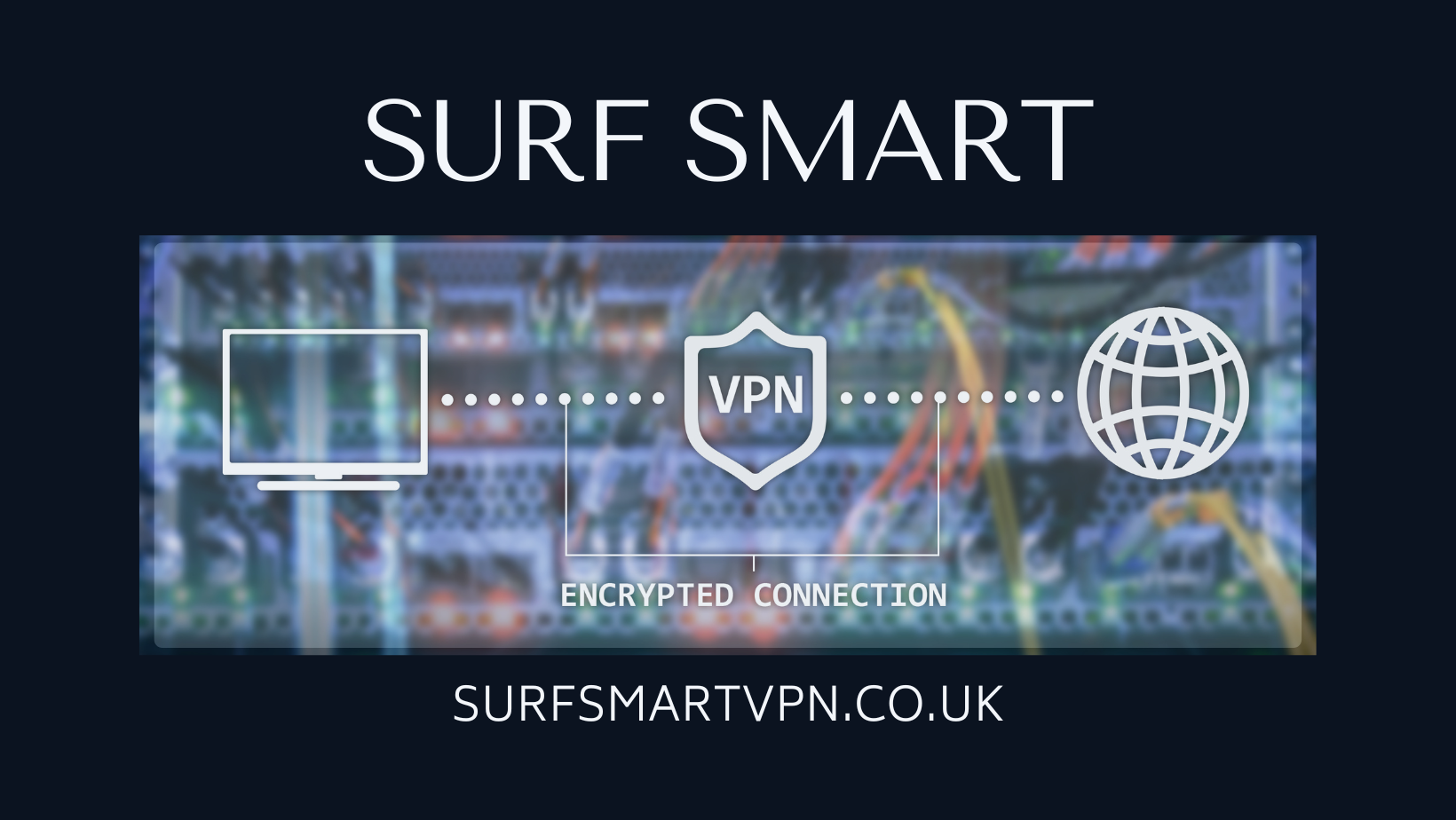
Other threats include packet sniffing and malware distribution. Packet sniffing involves capturing data packets sent over a network to extract personal information. Meanwhile, cybercriminals can also use public networks to distribute malware, infecting connected devices and gaining control over them. This highlights the critical need for robust security measures, such as using a VPN, to ensure that your online activities remain private and secure against these prevalent threats.
Essential WiFi Security Practices
To ensure a secure browsing environment, begin by evaluating the security settings of your home and public WiFi networks. Always change the default network name and password of your router to something strong and unique. This reduces the risk of unauthorized access. Additionally, enable WPA3 encryption, the latest WiFi security protocol, which provides robust protection against potential cyber threats.

When connecting to public WiFi, it is crucial to avoid accessing sensitive information, such as banking details or personal data. Public networks often lack security, making your devices vulnerable to hackers. Use secure websites by looking for HTTPS in the URL, which indicates that your connection is encrypted. This adds an extra layer of protection against eavesdroppers on the network.
Using Surf Smart VPN is a fundamental practice when connecting to any WiFi network, especially public ones. A VPN encrypts your internet connection, making it significantly harder for third parties to intercept your data. It also masks your IP address, further enhancing your privacy online. By incorporating a VPN into your WiFi security checklist, you safeguard your data from potential breaches while enjoying safer browsing experiences wherever you are.
Choosing the Right VPN
When selecting a VPN for secure browsing, it is crucial to consider its reputation and reliability. Look for a VPN provider with a proven track record of protecting user data and maintaining privacy. Reviews and user feedback are valuable resources for assessing how well a VPN performs under various circumstances, especially when it comes to handling public WiFi networks.
Another important factor to evaluate is the level of encryption and security features offered by the VPN. Strong encryption protocols like OpenVPN or WireGuard ensure that your data remains safe from prying eyes. Additionally, use a VPN as a kill switch and DNS leak protection can provide an extra layer of security, particularly when you are connected to unsecured networks, helping to prevent data leaks in case of unexpected disconnections.
Finally, consider the usability and compatibility of the VPN with your devices. A user-friendly interface and the ability to easily connect across multiple platforms will enhance your overall experience. Ensure that the VPN supports the devices you plan to use, be it laptops, smartphones, or tablets. A well-rounded VPN like Surf Smart VPN can seamlessly integrate with your daily routine, making it an ideal choice for protecting your online activities.
Configuring Your VPN for Maximum Safety
To ensure you are getting the most out of your VPN for secure browsing, start by selecting a reliable service like Surf Smart VPN that prioritizes your privacy and security. Check for features such as strong encryption protocols, a no-logs policy, and a kill switch that cuts off your internet connection if the VPN fails. These features are essential for maintaining your privacy while browsing on public WiFi networks.
Next, configure your VPN settings for optimal protection. Enable automatic connection when joining untrusted networks and choose the strongest available encryption method, such as OpenVPN. Regularly updating your VPN software is also crucial, as updates often include security patches and new features that enhance your privacy. Be sure to adjust your settings to prevent DNS leaks, which can unknowingly expose your browsing activities.
Finally, consider using additional privacy features offered by your VPN, such as split tunneling, which allows you to choose which applications or websites go through the VPN while others access the internet directly. This can help improve your connection speed while still maintaining security for your most sensitive activities. By carefully configuring your VPN, you enhance your online safety and maximize the benefits of your WiFi security checklist while browsing on shared networks.
Benefits of Surf Smart VPN
Surf Smart VPN offers enhanced online security by encrypting all your internet traffic. wifi security checklist prevents hackers and cybercriminals from intercepting your data, especially when you are connected to public WiFi networks. By using Surf Smart VPN, you can browse the internet with peace of mind, knowing that your sensitive information, such as passwords and personal details, is protected from prying eyes.
In addition to security, Surf Smart VPN allows you to maintain your privacy while online. It masks your IP address, making it difficult for websites and advertisers to track your online activities. This feature is particularly valuable when using shared networks in places like cafes, airports, or hotels, ensuring that your personal browsing habits remain confidential. With Surf Smart VPN, you regain control over your internet experience.
Finally, Surf Smart VPN enhances your online experience by providing access to geo-restricted content. Many streaming services and websites limit their content based on geographical locations. By connecting to one of Surf Smart VPN's servers, you can bypass these restrictions and enjoy a wider range of content, whether you are traveling abroad or just want to access services available in other regions. This flexibility, combined with robust security and privacy features, makes Surf Smart VPN an essential tool for safe and unrestricted browsing.
Final Thoughts on Safe Browsing
In today's digital age, protecting your online activities is more essential than ever, especially when using public WiFi networks. Following a WiFi Security Checklist for Safer Browsing can help users safeguard their personal information from potential threats. Ensuring that you are taking the necessary precautions can make a significant difference in your online safety.
Using a VPN like Surf Smart VPN not only encrypts your internet connection but also masks your IP address, providing an additional layer of anonymity. This helps secure your data from prying eyes and malicious actors when connected to shared networks. Emphasizing the importance of using a VPN in your WiFi security checklist is crucial for anyone who values their privacy and security while online.
As you explore the internet, remember that safe browsing habits combined with robust security tools like Surf Smart VPN can greatly enhance your protection. By implementing a comprehensive WiFi Security Checklist, you empower yourself to navigate the online world with confidence. Prioritize your digital security and enjoy a safer online experience wherever you go.